Neurotoxins. Botox, Daxxify, Dysport, Xeomin.
Four FDA-approved botulinum toxin products — what differentiates them, how we dose, where we treat, and the cadence that actually holds.
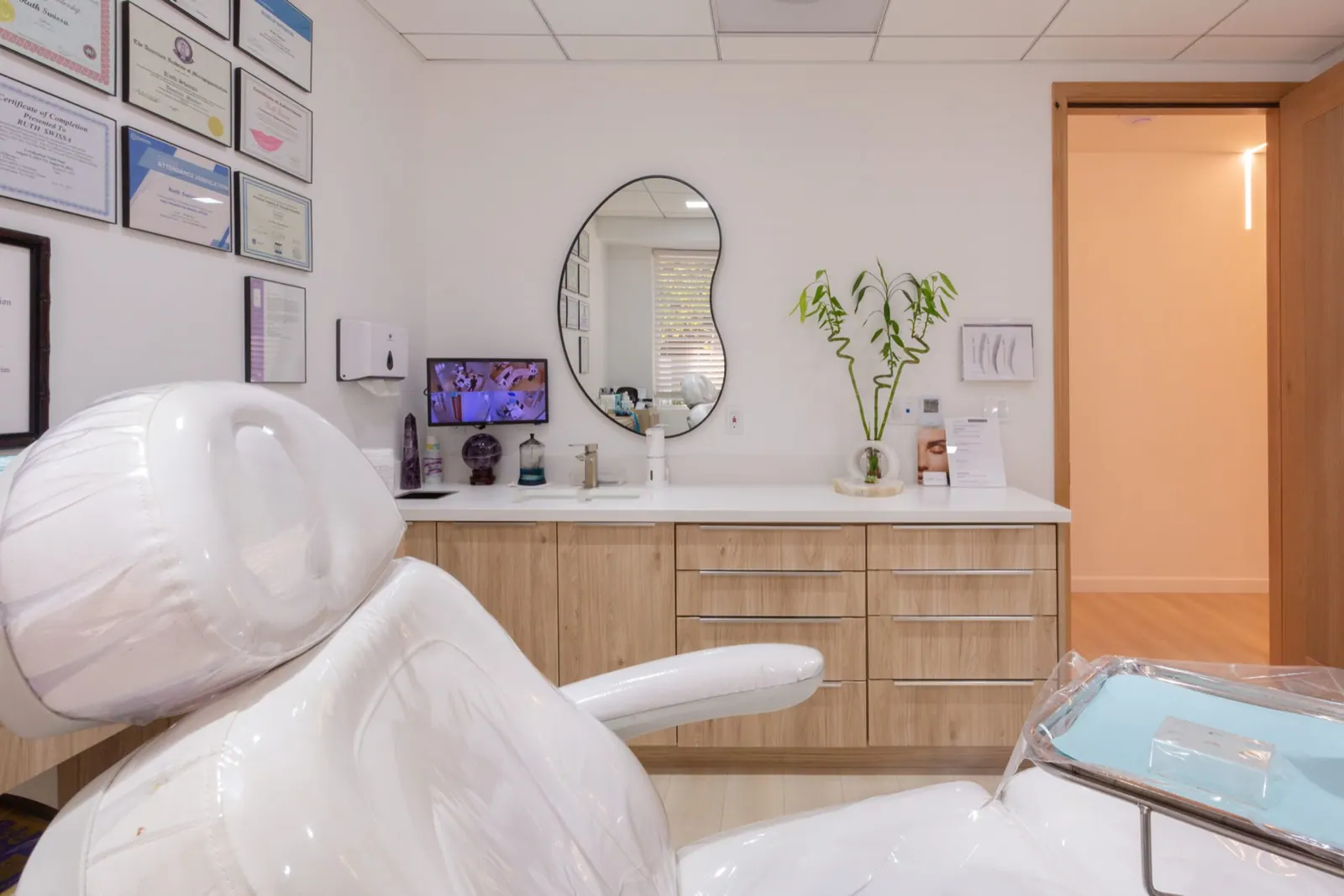
FDA-approved botulinum toxin products injected in small doses to relax targeted facial muscles. Four formulations are used at our practice — Botox, Daxxify, Dysport and Xeomin. Same underlying mechanism; different onset, duration, and dosing.
What neurotoxins do, and what they don't.
Dynamic wrinkles — the lines that appear when you express — are caused by repeated muscle contraction. A neurotoxin reduces that contraction at the injection site, which softens the line over the days that follow.
Static wrinkles — the lines that remain when your face is at rest — are different. Neurotoxin softens the dynamic component contributing to them, but it doesn't erase a line that's been etched into the skin. For static lines, energy-based treatments like RF microneedling or fractional resurfacing carry more of the work.
Neurotoxins don't change facial volume. They don't lift sagging tissue. They don't substitute for filler. They're a tool for a specific job, and patients who get the best outcomes treat them that way.
Four products. Each one chosen for a reason.
Dosing is by patient anatomy, not by area or by product. Two patients can present the same concern and need different unit counts of different products; choosing by formula misses the point.
| BotoxOnabotulinumtoxin A | The most studied of the four. Onset visible at 5–7 days, full effect at 14, typically lasts 3–4 months. Our default for first-time patients unless a specific reason recommends otherwise. Covered in depth on our Botox in Calabasas page — the practice's canonical Botox page — with a Botox in Beverly Hills overlay for Wednesday satellite appointments. |
|---|---|
| DaxxifyDaxibotulinumtoxin A | The newest formulation. Many patients see 5–6 months of effect — meaningfully longer than the alternatives. Onset can be slightly slower. Discussed at consultation for patients who want fewer visits. Covered in depth on its dedicated page. |
| DysportAbobotulinumtoxin A | Diffuses slightly more after injection — useful for broad areas like the forehead, less ideal for precision work around the eyes. Units are not 1:1 with Botox. Covered in depth on its dedicated page. |
| XeominIncobotulinumtoxin A | A 'naked' toxin with no accessory proteins. Useful for patients who have developed resistance to other formulations through long-term use. Covered in depth on its dedicated page. |
Areas we routinely address.
The standard cosmetic indications: glabella (the frown lines between the brows), forehead lines, crow's feet at the eyes, and bunny lines on the nose. These are the areas that respond most consistently to neurotoxin alone.
Less commonly: a lip flip, dimpled chin, masseter reduction for jaw slimming or bruxism, and platysmal bands on the neck. These can work well, but typically require a candid conversation about realistic outcomes before booking.
On dosing"Two patients can present the same complaint and need quite different unit counts. Injecting to a formula misses the point."
How a session goes.
- 01
Consultation and chart review.
We review your goals, medical history, prior treatments, and current medications. We screen for contraindications. We discuss realistic outcomes.
- 02
Mapping and dosing.
Injection sites are marked on the skin and dosing is set based on muscle activity, anatomy, and goals — not by an area-priced template.
- 03
Injection.
The injection itself takes 5–10 minutes. Sensation is a brief sting at each site. No anesthesia is required.
- 04
Two-week follow-up.
Visible softening at 5–7 days, full effect at 14. We see you back at two weeks for a touch-up if needed — we'd rather under-dose and adjust than overcorrect.
Cadence, honestly.
Most patients return every three to four months for Botox, Dysport, or Xeomin; closer to five or six months for Daxxify. Patients who push the interval longer often find the effect has fully worn off by the time they're back, which means they're starting over rather than maintaining.
Patients who treat neurotoxins as a once-a-year refresh aren't doing maintenance — they're doing one-off treatments on a long cycle. That's a valid choice, just a different one.
- During pregnancy or breastfeeding.
- Patients with myasthenia gravis, Lambert-Eaton syndrome, or ALS.
- Active infection at the injection site.
- Outside a clinical setting. 'Botox parties' aren't a service we provide.
How much does Botox cost in Los Angeles?
Neurotoxins in Los Angeles — Botox, Daxxify, Dysport, Xeomin — typically range from $13 to $16 per unit. A glabella treatment generally runs $200 to $400; a full forehead with crow's feet treatment is usually $400 to $700, depending on units required. Pricing varies by injector experience, the brand of neurotoxin, and the patient's anatomy and treatment goals.
What moves the per-unit and per-treatment price.
Units required, not the area itself, drive most of the cost. A glabella with light muscle activity might need fifteen units. The same area on a patient with strong corrugator pull might need twenty-five. Two patients can walk into the same room with the same complaint and leave with quite different unit counts — and the bill reflects the dose, not the diagnosis.
Brand of neurotoxin moves the per-unit price modestly. Conventional formulations — Botox, Dysport, Xeomin — cluster within a couple of dollars per unit across most LA clinics. Daxxify is dosed differently and priced differently because the duration is longer; per-treatment, Daxxify often costs more upfront but lengthens the interval between visits.
Injector experience and credentials matter at the top of the range. A medically supervised practice with a long injection track record will sit at $16 per unit or above; chain med-spas and aggressive promotional clinics can drop below $14. The skill premium isn't theoretical — placement and dosing decisions are what separate a clean result from a frozen or asymmetric one.
Location within LA is the last lever. Beverly Hills and West Hollywood addresses run at the high end of the unit price. Calabasas and the broader San Fernando Valley typically run below those addresses for comparable injector expertise. The difference is real estate, not clinical quality.
Typical Los Angeles ranges by treatment area.
Per-treatment ranges assume conventional neurotoxins (Botox, Dysport, Xeomin) at the $13–$16 per-unit market rate. Daxxify treatments run higher upfront for longer duration.
| Variant | What's included | Typical LA range |
|---|---|---|
| Per unit (any brand) | All neurotoxins — Botox, Daxxify, Dysport, Xeomin — at LA market rates. | $13 – $16 per unit |
| Glabella (frown lines) | Typically 15 – 25 units between the brows. | $200 – $400 |
| Forehead + crow's feet | Combined upper-face treatment; typically 30 – 50 units total. | $400 – $700 |
| Masseter (jaw slimming, bruxism) | 20 – 30 units per side for slimming or bruxism relief. | $500 – $1,000 |
| Lip flip | 4 – 6 units along the upper vermillion border. | $60 – $100 |
| Daxxify upper face | Same areas; longer-duration formulation, priced per unit at a modest premium. | $550 – $850 |
Neurotoxins vs filler vs RF microneedling.
Neurotoxin treats dynamic lines — the wrinkles that appear when you express. Filler treats volume loss and static lines etched into the skin at rest. They are not interchangeable. A patient with deep frown lines at rest may need both: neurotoxin to stop the muscle contracting, filler to fill the line that's already there. Combined, a starter plan runs roughly $400 to $1,500 depending on syringe count and units.
Dermal filler in Los Angeles runs $500 to $950 per syringe — three to five times the cost of a unit-priced area treatment, but with effect that lasts twelve to eighteen months versus three to four. The per-month math is closer than it looks on the menu.
RF microneedling targets a different mechanism again: skin laxity, deeper texture, and collagen rebuilding through radiofrequency energy. Face sessions run $700 to $900 per session in LA, with a three- to four-session protocol. Patients chasing 'less expression' lean neurotoxin; patients chasing 'better skin underneath' lean RF microneedling.
Daxxify is the within-category alternative most often asked about. It's the same drug class with a different formulation and a longer interval — five to six months versus three to four. Patients who dislike the visit cadence of conventional neurotoxins often find the higher per-treatment Daxxify cost easier to justify across a year.
How we price neurotoxin treatment.
Pricing at Swissa Med Spa is determined at consultation, where we map units to anatomy and goals. The unit count and total are confirmed in writing before injection — we don't quote off a menu by area, because the area isn't what's being treated; the muscle is.
Performed by Orr Swissa-Amran, PA-C, board-certified Physician Associate, internationally trained in hair restoration and aesthetic medicine.
Where neurotoxins. botox, daxxify, dysport, xeomin is performed.
Our Beverly Hills satellite operates Wednesdays by appointment and performs injectables only. Lasers, regenerative protocols, medical weight loss and wellness are at our Calabasas studio.
Questions we get.
How long until I see results?
Most patients see visible softening at five to seven days, with full effect at fourteen days. Daxxify can be slightly slower in onset.
Can I get Botox while pregnant or breastfeeding?
No. We don't treat during pregnancy or breastfeeding. We're happy to plan your next treatment around either.
How does Daxxify compare to Botox?
Same FDA-approved indications, similar safety profile, often longer duration (five to six months versus three to four). Onset can be slightly slower for some patients.
How much does Botox cost in Los Angeles?
Per-unit Botox in LA typically runs $13 to $16. A glabella (frown line) treatment generally costs $200 to $400; a combined forehead and crow's feet treatment is usually $400 to $700. Total cost depends on units required, not the area itself.
Is Daxxify worth the extra cost?
For patients tired of three-month-cycle visits, often yes. Daxxify typically lasts five to six months versus three to four for conventional neurotoxins. The per-visit cost is higher; the cost-per-month is roughly comparable. We discuss the tradeoff at consultation.
Will I look frozen?
Only if dosed that way. Our default is conservative — we'd rather see you back in two weeks for a small touch-up than overcorrect on the first visit.
What if I don't like the result?
Unlike filler, neurotoxin can't be dissolved. The effect wears off over three to four months. In the meantime, a small adjustment can sometimes balance an asymmetric outcome.
Is preventive Botox real?
Preventive use does reduce the deepening of dynamic lines over time. Whether it's right for you depends on your skin, your expression patterns, and your tolerance for ongoing treatment. Discussed at consultation.
Why do prices vary so much between LA injectors?
Three reasons. Injector experience and credentials sit at the top of the range. Brand of neurotoxin shifts the per-unit price modestly. Location within LA — Beverly Hills versus the Valley — reflects real-estate cost. Choosing the cheapest unit price often costs more in revisions later.
Are package or membership prices available?
Many LA clinics offer loyalty pricing for regular injection cadences. We discuss the structure at consultation and share what's available in writing — we don't run social-media flash sales on injectables.
Continue.
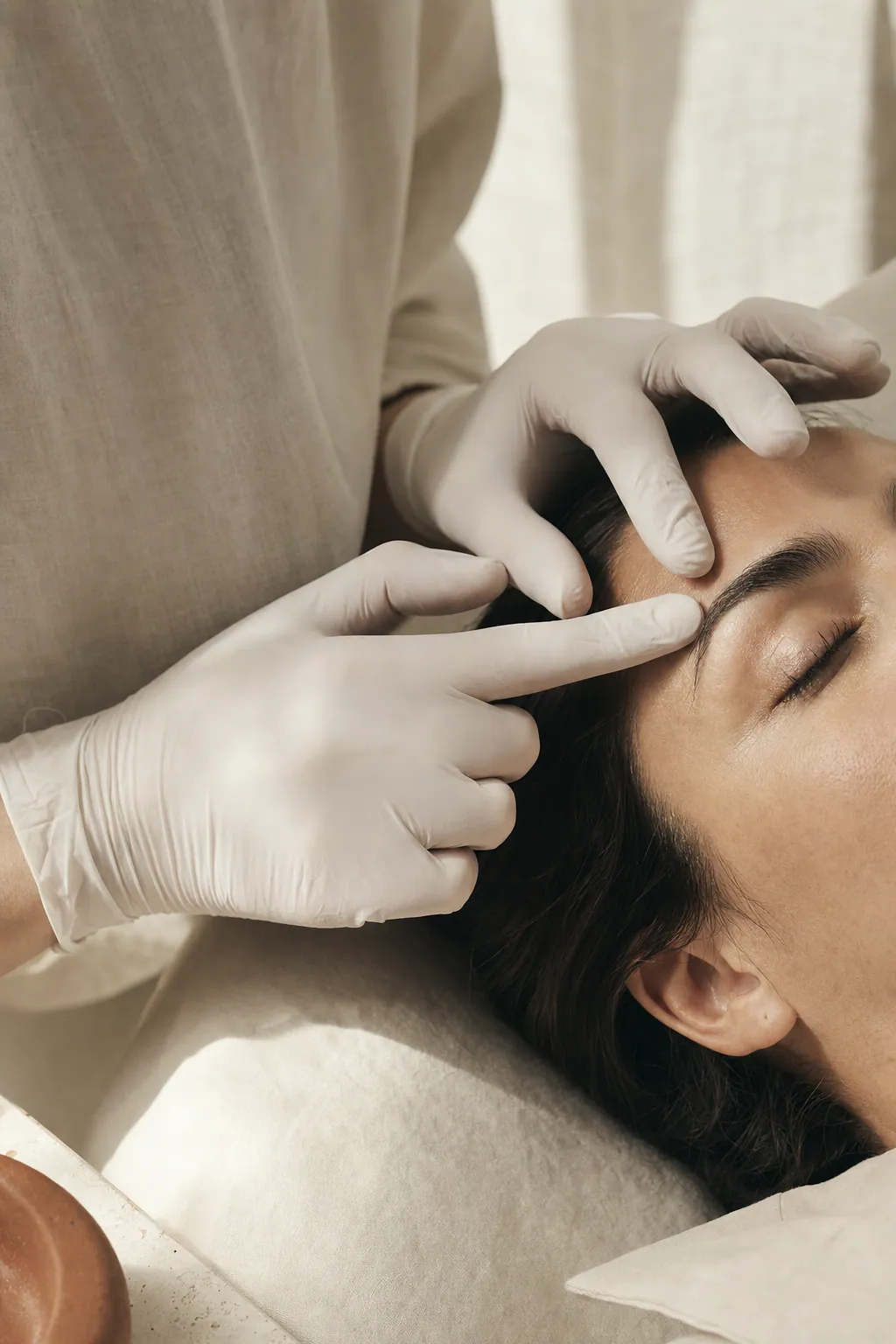
Botox in Calabasas at Swissa Med Spa — mechanism, treatment areas, dosing approach, and what a first appointment looks like at our studio.
Dysport (abobotulinumtoxinA) — how it differs from Botox, where its wider diffusion helps, unit conversion, and onset timing.
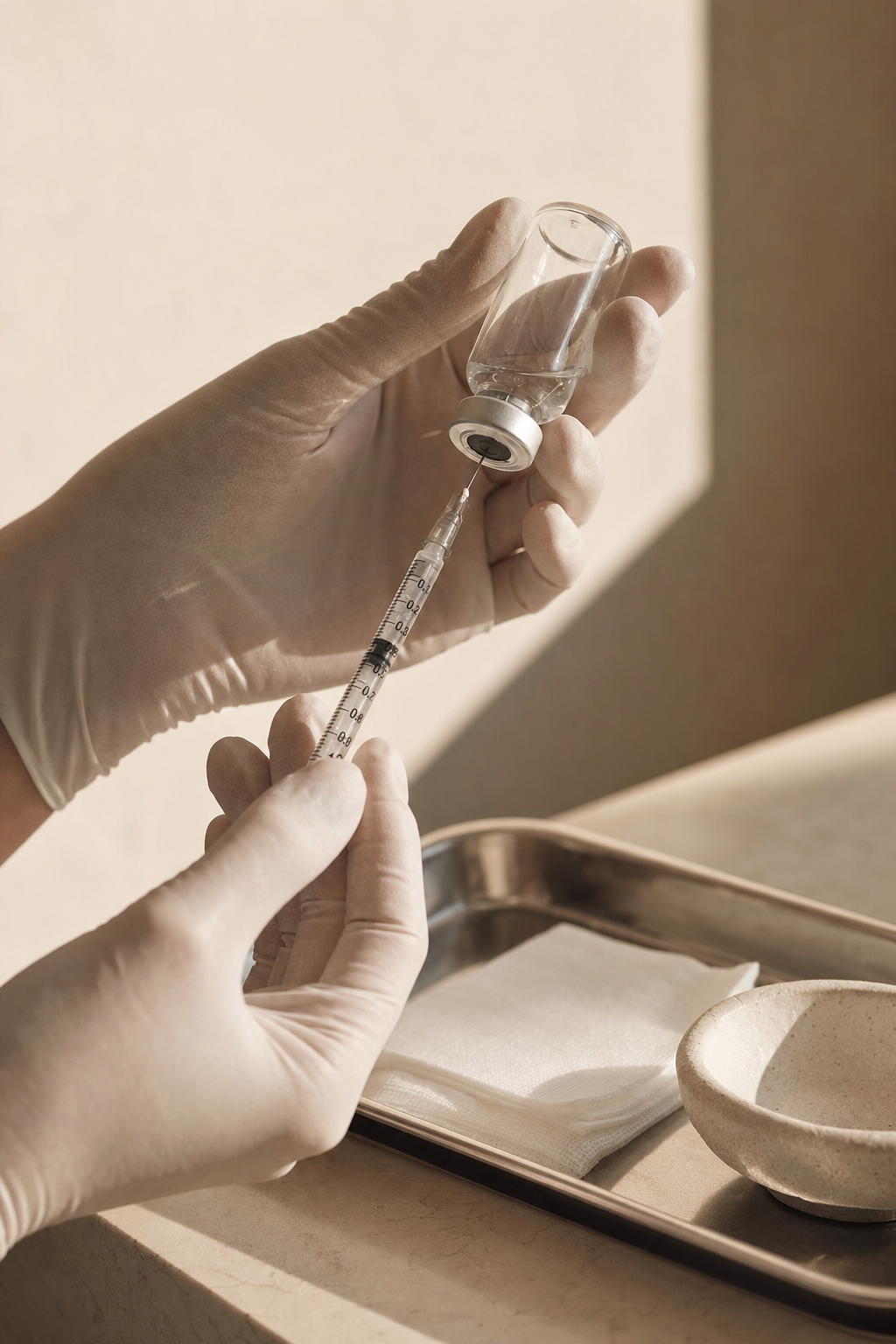
Xeomin (incobotulinumtoxinA) — the uncomplexed neurotoxin, why that matters for antibody resistance, and how it doses against Botox.
Daxxify (daxibotulinumtoxinA) — peptide-stabilized, six-to-nine-month duration in trials, and who benefits from the longer interval.
Schedule a consultation for neurotoxins. botox, daxxify, dysport, xeomin.
“Nicole has been doing my botox for a while now, and honestly, I wouldn't trust anyone else with my face!”