Xeomin. The naked neurotoxin.
Xeomin (incobotulinumtoxinA) — the uncomplexed neurotoxin, why that matters for antibody resistance, and how it doses against Botox.
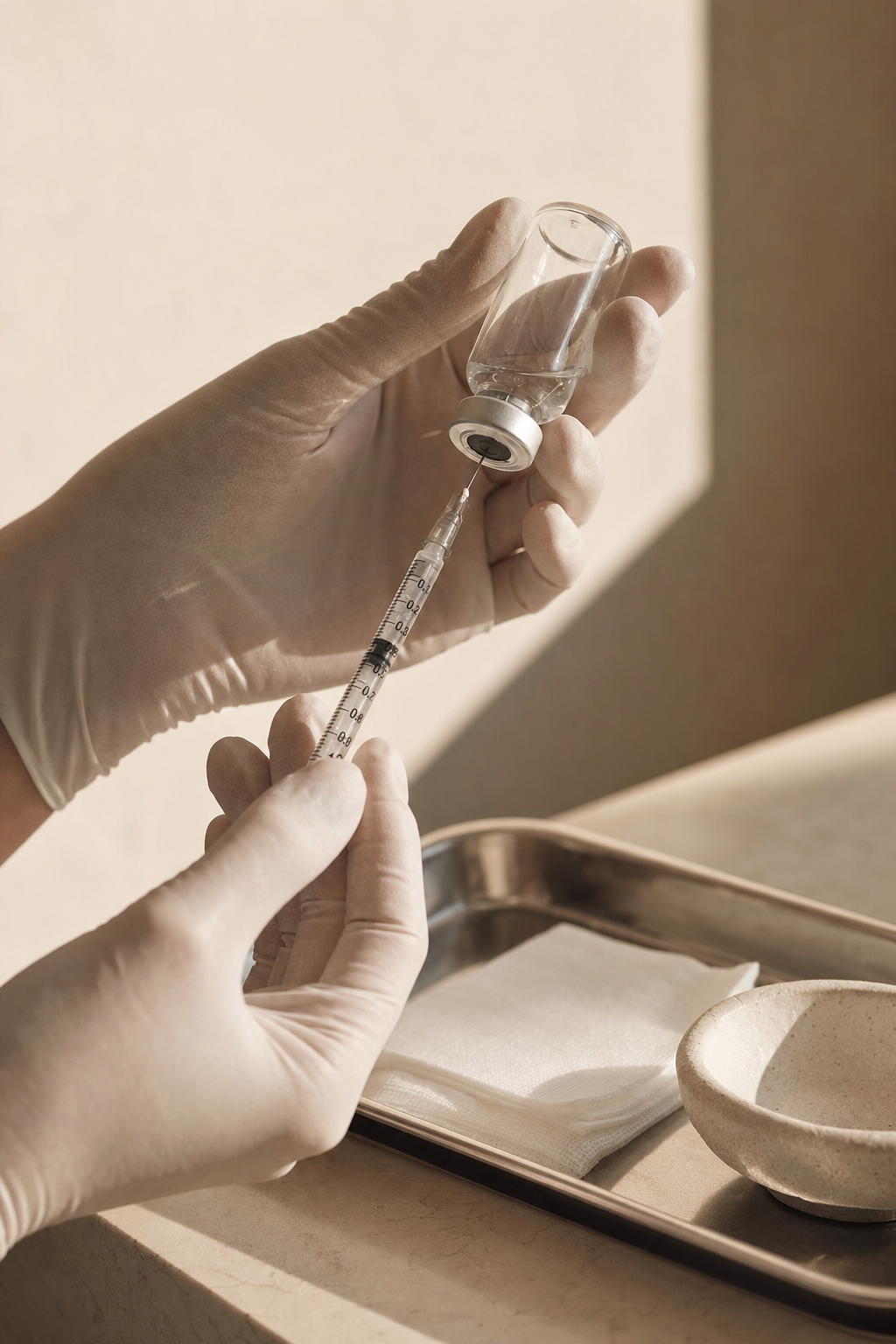
Xeomin is incobotulinumtoxinA — the same active botulinum toxin type A molecule family as Botox, manufactured by Merz without the complexing proteins that surround the molecule in other formulations. The trade calls it the 'naked' neurotoxin. It doses 1:1 against Botox and matters most to long-term patients thinking about antibody resistance.
What 'naked' actually means.
Every botulinum toxin product is built around the same working part: a 150-kilodalton neurotoxin protein that blocks the nerve-to-muscle signal. In Botox and Dysport, that protein arrives wrapped in accessory proteins — leftovers of the bacterial complex it's purified from. They don't contribute to the effect; they're packaging.
Xeomin's manufacturing strips the packaging away. What's injected is the active molecule and nothing else. In the chair, the experience is familiar — same injection pattern, same brief sting, same gradual onset. The difference is invisible at the appointment and only potentially meaningful over years of treatment.
Antibody resistance, without the alarm.
A small number of long-term neurotoxin patients develop antibodies against the proteins they're repeatedly injected with — and some of those patients notice their results fading faster, or requiring more units than they used to. The accessory proteins in conventional formulations are one suspected contributor, since they give the immune system more foreign material to react to.
Two honest caveats. First, true antibody-mediated resistance is uncommon — most 'my Botox stopped working' stories trace to dosing, placement, or expectations rather than immunology. Second, the evidence that a protein-free formulation prevents resistance is suggestive rather than settled. What we can say plainly: for a patient whose response has genuinely declined over years of consistent treatment, switching to an uncomplexed formulation is a sensible, low-risk next step — and for some patients starting out with decades of treatment ahead of them, it's a reasonable opening choice.
One-to-one with Botox, on the clock and on the chart.
Unlike Dysport, Xeomin doses 1:1 against Botox — twenty units of one is twenty units of the other, which makes switching between them straightforward and keeps pricing comparisons clean. Onset is similar too: visible softening at 5–7 days, full effect around two weeks, duration typically 3–4 months.
Treatment areas mirror Botox's: glabella, forehead, crow's feet, and the smaller indications — lip flip, chin, masseter — where a precise, contained spread is what you want. Xeomin diffuses about like Botox does, which is to say tightly; for very broad zones, some patients prefer Dysport's wider footprint instead.
Who tends to choose Xeomin.
Three groups, in practice. Long-term patients whose results have shortened and who want to rule formulation in or out. Patients who simply prefer the most stripped-down version of the product — fewer ingredients, same effect — as a matter of temperament. And patients switching between products for scheduling or availability reasons, who value the 1:1 dosing because nothing about their plan has to be recalculated.
If none of those describe you, Botox, Dysport and Daxxify each have their own argument — onset, spread, duration — and the menu exists so the product can be fitted to the patient rather than the reverse. Discussed at consultation.
Performed by Orr Swissa-Amran, PA-C, board-certified Physician Associate, internationally trained in hair restoration and aesthetic medicine.
Questions we get.
What's the difference between Botox and Xeomin?
The active molecule and the result are essentially the same; the difference is packaging. Xeomin is manufactured without the accessory proteins that surround the toxin in Botox. Dosing is 1:1, onset and duration are comparable, and the distinction matters mainly for long-term patients thinking about antibody resistance.
My Botox seems to have stopped working. Will Xeomin fix that?
Maybe — it depends on why. True antibody resistance is uncommon, and most fading results trace to dosing or placement, which we'd address first. But if your response has genuinely declined over years of treatment, a protein-free formulation is the logical switch, and it's a low-risk one to trial.
Is Xeomin as effective as Botox?
In head-to-head studies and in practice, yes — comparable onset, comparable softening, comparable 3–4 month duration at equivalent doses. Patients switching between the two for the same areas rarely notice a difference in the mirror.
How much does Xeomin cost?
At Los Angeles market rates, Xeomin prices in the same $13 – $16 per-unit band as other conventional neurotoxins, and because it doses 1:1 with Botox, treatment totals land in the same range — typically $200 – $400 for a glabella, more for combined areas. Confirmed in writing at consultation.
Continue.
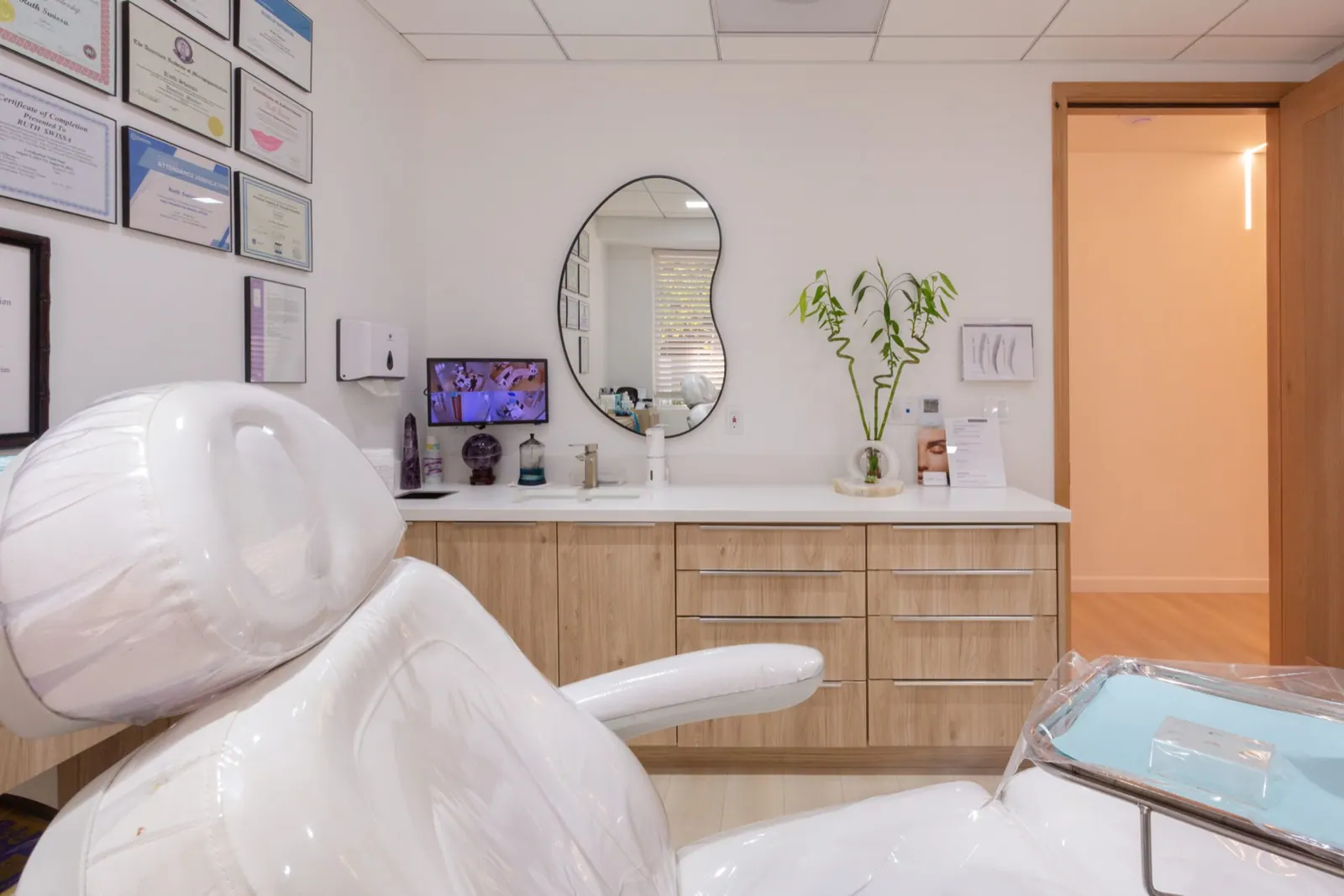
Four FDA-approved botulinum toxin products — what differentiates them, how we dose, where we treat, and the cadence that actually holds.
Dysport (abobotulinumtoxinA) — how it differs from Botox, where its wider diffusion helps, unit conversion, and onset timing.
Daxxify (daxibotulinumtoxinA) — peptide-stabilized, six-to-nine-month duration in trials, and who benefits from the longer interval.
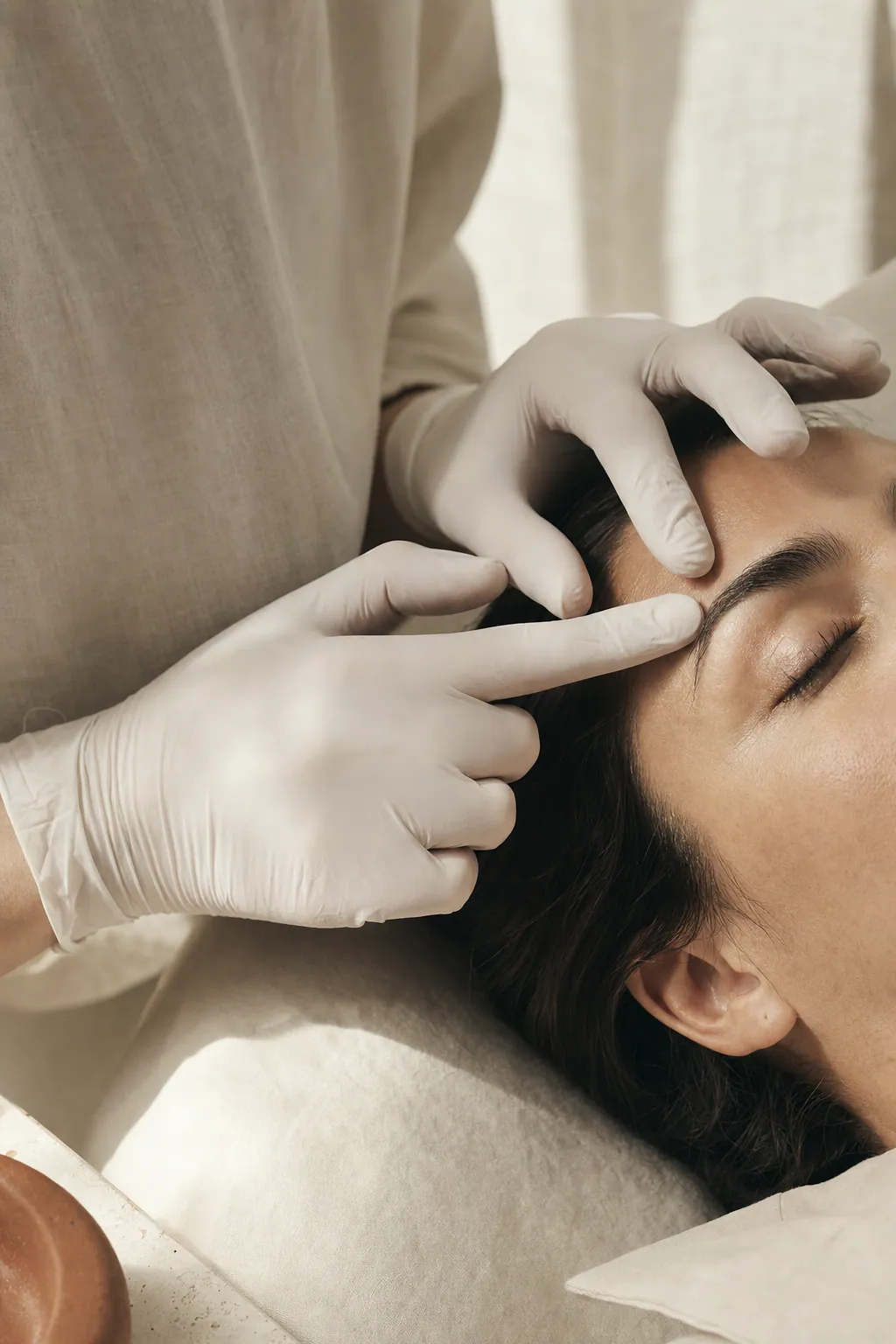
Botox in Calabasas at Swissa Med Spa — mechanism, treatment areas, dosing approach, and what a first appointment looks like at our studio.
Schedule a consultation for xeomin. the naked neurotoxin.
“Nicole has been doing my botox for a while now, and honestly, I wouldn't trust anyone else with my face!”