Morpheus8 vs microneedling vs RF microneedling. What's the difference?
Morpheus8 is RF microneedling — it's one device in that category, not a third category. The real three are: basic microneedling (mechanical injury only), regenerative microneedling (mechanical plus PRP, PRF, or exosomes), and RF microneedling (mechanical plus radiofrequency heat). They do different things, at different depths, for different patients.
Three categories, what each one does.
If you only read one section, this is the one. Detailed reasoning below.
| Basic microneedling | Regenerative microneedling | RF microneedling | |
|---|---|---|---|
| What it does | Mechanical micro-injury to trigger collagen response | Mechanical injury plus PRP, PRF, exosomes, or peptides delivered through the channels | Mechanical injury plus radiofrequency heat delivered at depth |
| Best for | Texture, fine lines, mild scarring on healthy skin | Texture plus a regenerative or healing layer; thinning, dull, or post-inflammatory skin | Skin laxity, deeper scarring, jawline definition, lower-face structural work |
| Depth | 0.5 – 2.5 mm | 0.5 – 2.5 mm | Up to 4 mm with adjustable RF energy |
| Downtime | 24 – 48 hours of redness | 1 – 3 days of mild redness and swelling | 3 – 5 days; possible pinpoint scabbing at higher settings |
| Sessions | 3 – 6 spaced 4 weeks apart | 3 – 4 spaced 4 – 6 weeks apart | 1 – 3 spaced 6 – 8 weeks apart |
| Where Morpheus8 fits | — | — | One specific RF microneedling platform. Not a separate category. |
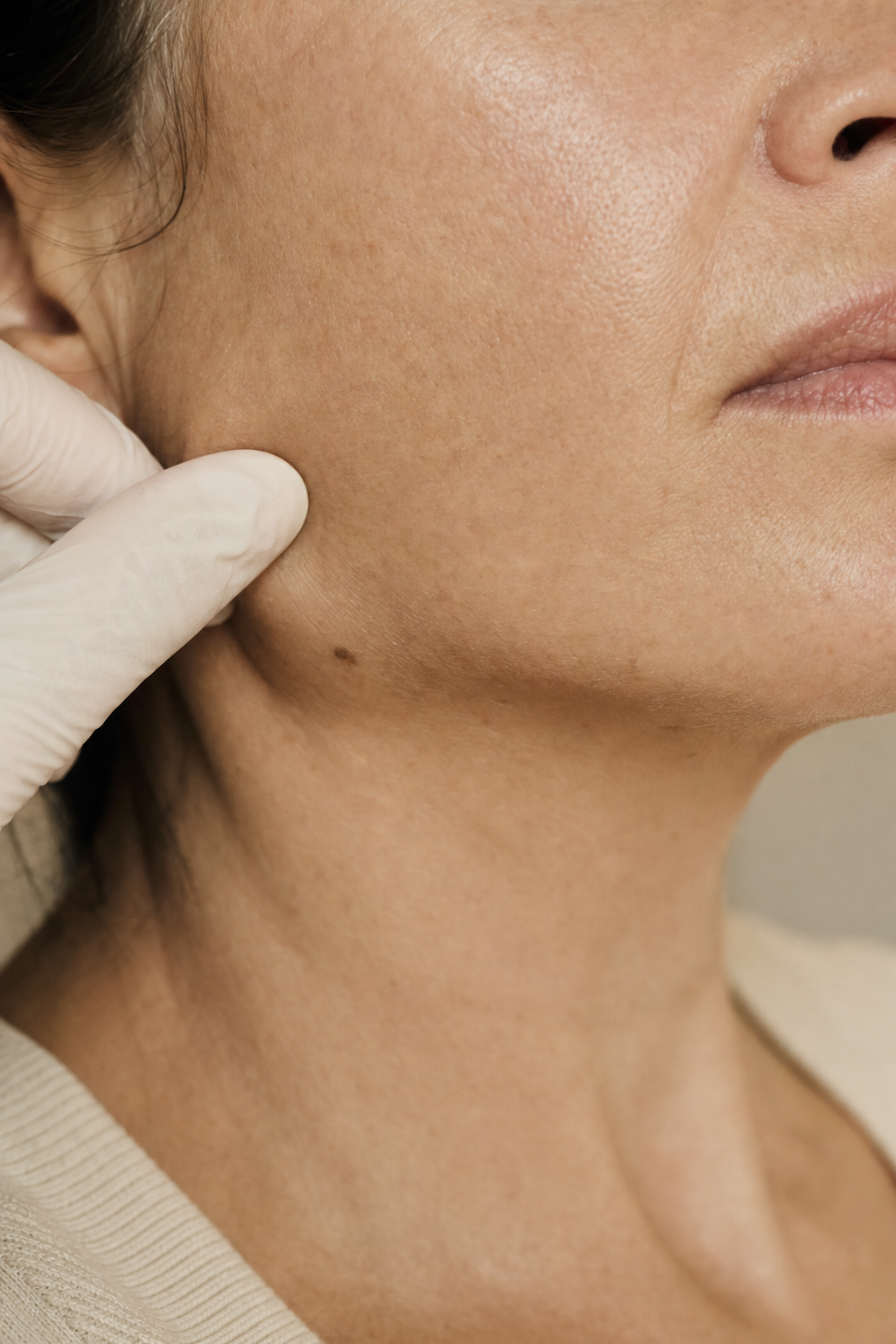
Morpheus8 is RF microneedling.
Morpheus8 is a branded RF microneedling platform manufactured by InMode. It uses gold-tipped microneedles to deliver radiofrequency energy at variable depths into the skin and underlying tissue. It's a good device. It's not a unique category — it sits alongside Sylfirm X, Genius, Vivace, Secret RF, and a handful of others as RF microneedling devices that differ in needle configuration, RF delivery, and depth control.
When you see Morpheus8 marketed against 'regular microneedling,' the comparison is real — but the framing makes it look like a binary choice when the actual question has three answers. A patient who needs collagen induction without skin tightening doesn't need an RF device. A patient who needs jawline tightening doesn't get there with mechanical-only needling, regardless of how many sessions.
Matching the modality to the goal matters more than choosing a brand. The brand of RF microneedling device is a secondary question; whether RF microneedling is even the right category is the first one.
What each one is actually for.
| Basic microneedlingMechanical injury only | A roller or pen creates controlled micro-channels in the skin. The injury triggers a healing cascade — fibroblasts produce new collagen and elastin over the next several weeks. Best on intact, healthy skin where the goal is improving texture and softening early fine lines. Limited reach into laxity or deeper scarring. |
|---|---|
| Regenerative microneedlingMechanical injury plus PRP, PRF, exosomes, peptides | Same mechanical action with a biological layer added through the channels. PRP and PRF use your own blood components; exosomes are signaling vesicles from cultured stem cells; peptides like GHK-Cu support repair. Used when the skin would benefit from a regenerative or anti-inflammatory boost — thinning skin, post-inflammatory dullness, slower-healing patients. |
| RF microneedlingMechanical injury plus radiofrequency heat | The microneedles deliver RF energy at the tip, heating tissue at adjustable depths up to about 4 mm. The heat denatures collagen and stimulates remodeling deeper than mechanical needling reaches. Useful for skin laxity, deeper acne scarring, jawline definition, and lower-face structural work. Morpheus8 is one platform in this category; Sylfirm X, Genius, Vivace, and others are others. |
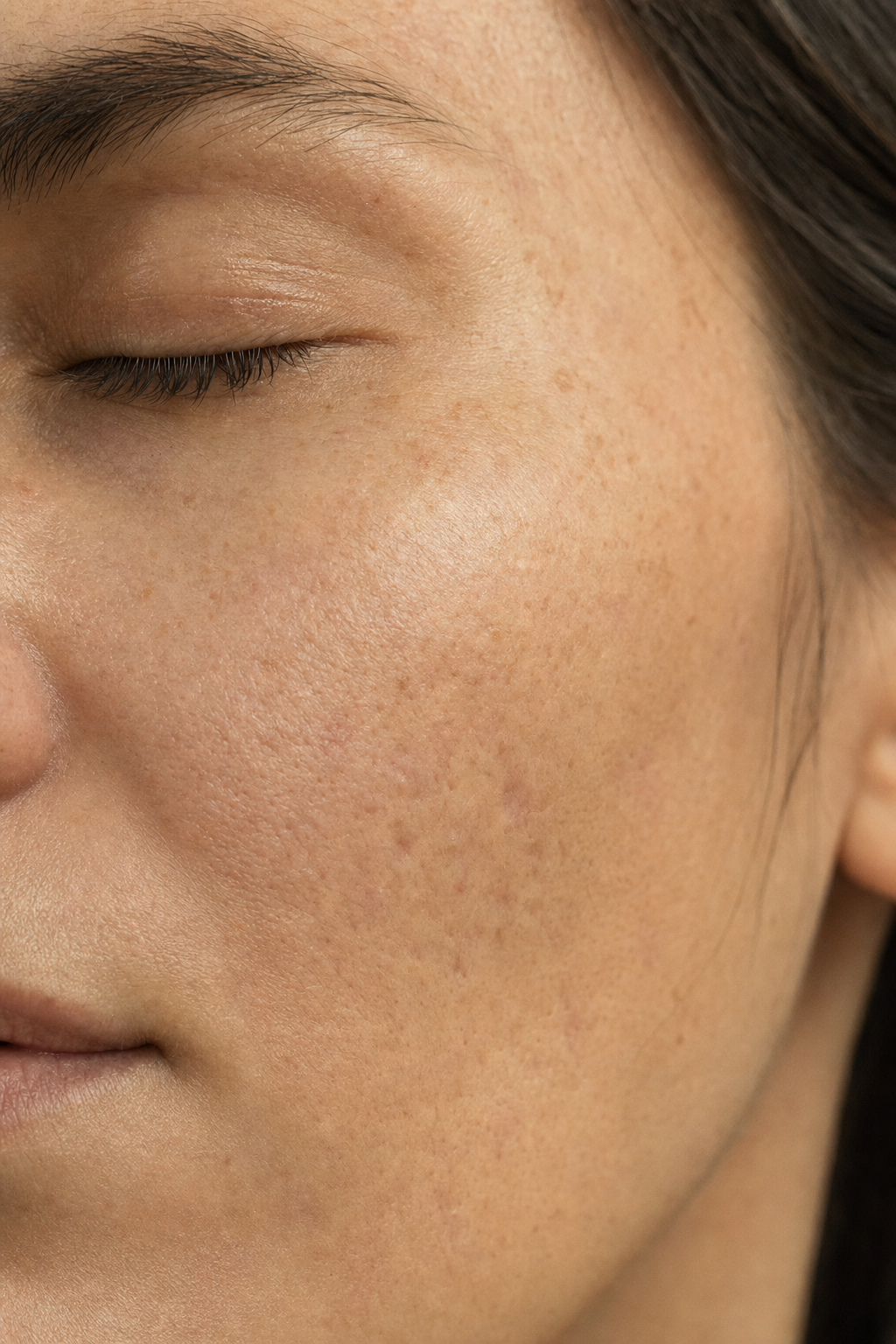
What modality matches what concern.
Texture and fine lines on otherwise healthy skin: basic microneedling, usually over three to six sessions. If the budget allows for a regenerative add-on, the recovery is gentler and the cumulative result tends to come faster.
Dullness, thinning, post-acne discoloration, or skin that doesn't heal as well as it used to: regenerative microneedling. The biological component is doing meaningful work the mechanical injury alone can't.
Skin laxity, jowling, jawline softening, deeper acne scarring, neck crepiness: RF microneedling. Mechanical-only needling at these indications produces marginal results compared to RF; it's a different toolkit for a different problem.
Many patients benefit from a sequenced plan — RF microneedling for structural work, then regenerative microneedling as maintenance. That's a real protocol, not an upsell.
On choosing"The right question isn't which brand. It's whether you need mechanical injury, biological signaling, or heat at depth. The category answers the brand."
What to expect at three months.
Collagen remodeling is slow. Visible improvement starts around four to six weeks after the first session and continues for three to six months. Plan to look the same the week after your appointment; the result is what your face looks like at the three-month follow-up, not at the two-day mark.
None of these modalities is a substitute for what they aren't built to do. Basic microneedling won't tighten significant skin laxity. RF microneedling won't replace volume loss. Regenerative add-ons won't fix structural drooping. Match the tool to the problem; if the problem has multiple components, plan a multi-modality protocol with your clinician.
Questions we get.
Is Morpheus8 better than regular microneedling?
Better for different things. Morpheus8 reaches deeper and adds heat, which addresses laxity and structural work that mechanical microneedling can't. For texture and fine lines on healthy skin, mechanical microneedling — often with a regenerative add-on — is the more appropriate and less aggressive choice.
How many sessions until I see a result?
Visible texture improvement typically appears at four to six weeks after the first session. Structural improvement from RF microneedling continues developing for three to six months. Most protocols plan for the three-month follow-up as the assessment point, not the first session.
Which one has the most downtime?
RF microneedling, typically three to five days of redness and possible pinpoint scabbing. Regenerative microneedling is one to three days. Basic microneedling is twenty-four to forty-eight hours.
Can I do RF microneedling and regenerative microneedling together?
Yes, and many protocols do exactly that — RF microneedling for the structural work, with PRP or exosomes applied immediately after to support healing and amplify the regenerative response. Sequenced, not simultaneous in the same pass.
Does it hurt?
Topical numbing for all three. Basic microneedling is tolerable for most patients. Regenerative add-ons don't change sensation significantly. RF microneedling is more intense — the heat is felt — and we adjust depth and energy based on tolerance.
Can I do this if I have darker skin?
Yes, with careful protocol. RF microneedling has a better safety profile across darker Fitzpatrick types than many ablative lasers because the energy bypasses the epidermis. Settings are still tailored — the question to ask is whether the clinician routinely treats darker skin types, not whether the device is theoretically safe.
Continue.
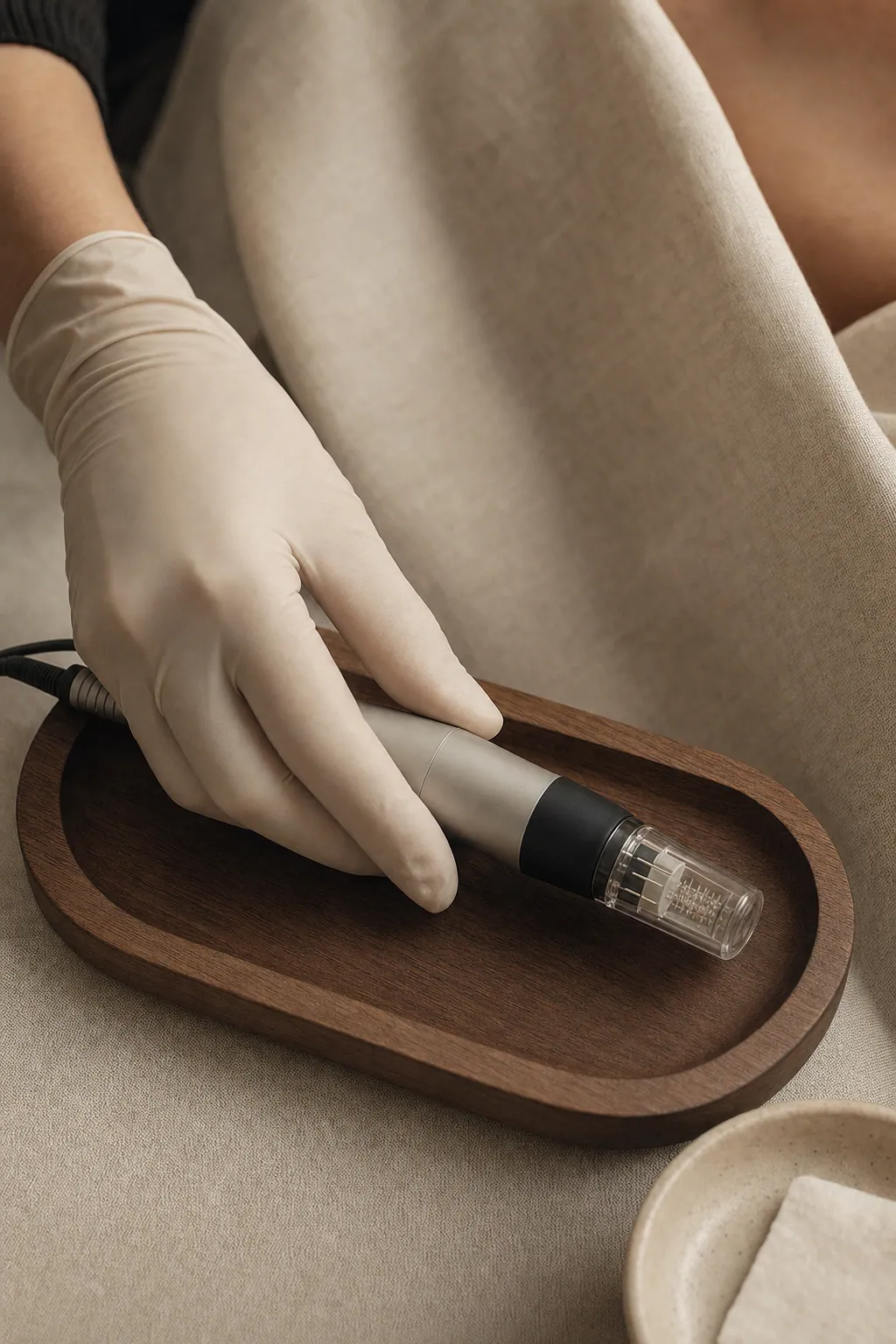
Microneedling with radiofrequency heat for mild laxity, acne scars, and large pores. How it compares with Morpheus8 and basic microneedling.
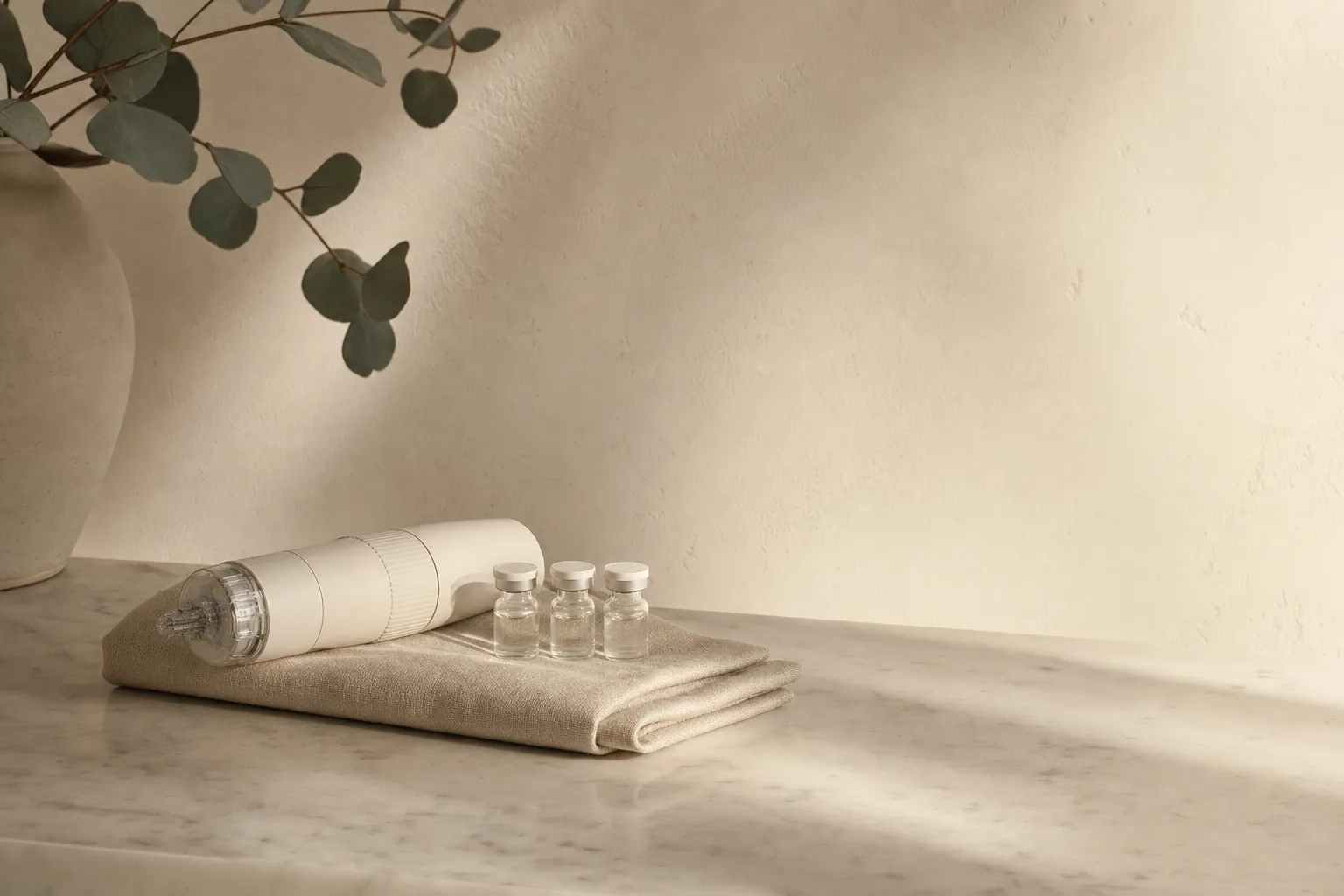
Microneedling layered with growth factors, exosomes, PDRN or copper peptide. What each add-on does, what it costs you in downtime.
Swissa Med Spa shares a building, a clinical team and a thirty-year history with Ruth Swissa, the paramedical tattooing practice.
Every booking starts with a conversation.
“They're truly my one-stop shop for everything beauty and skincare. The entire team is so knowledgeable, honest, and always ready to help…”